
01
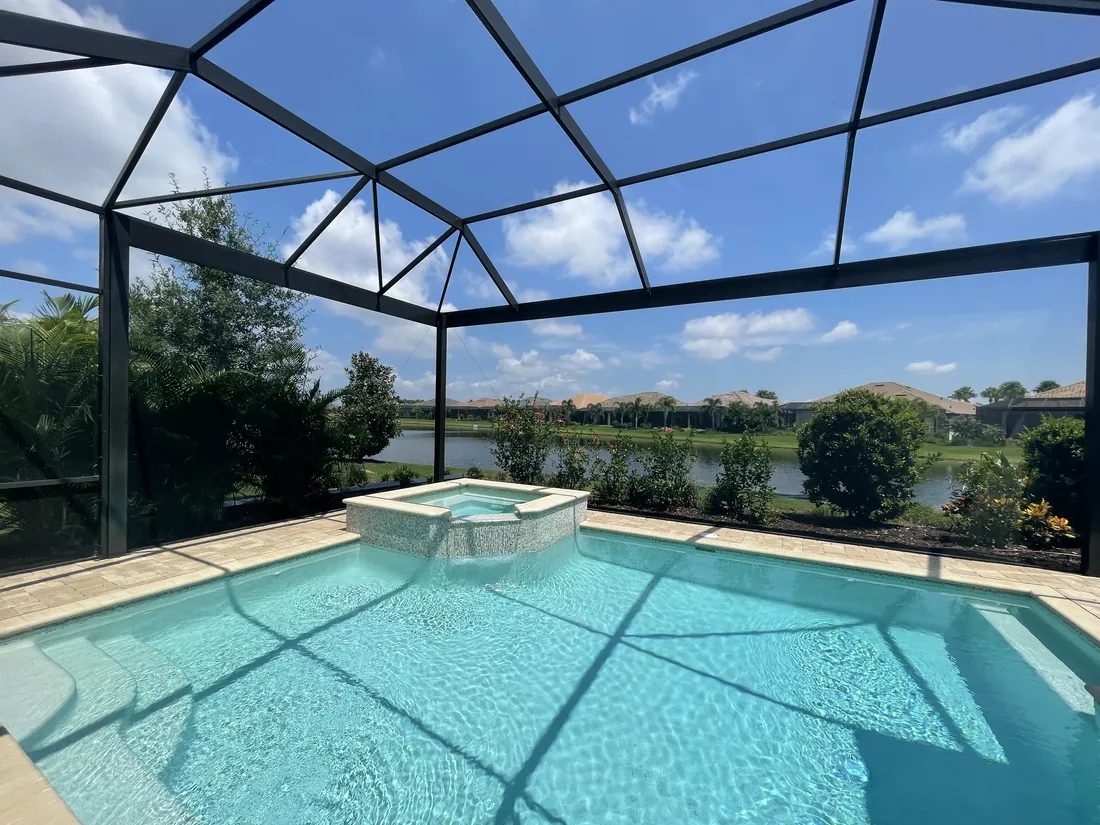
Screen repair & rescreening
The sensible companion job — frame coated with the old screen out of the way.
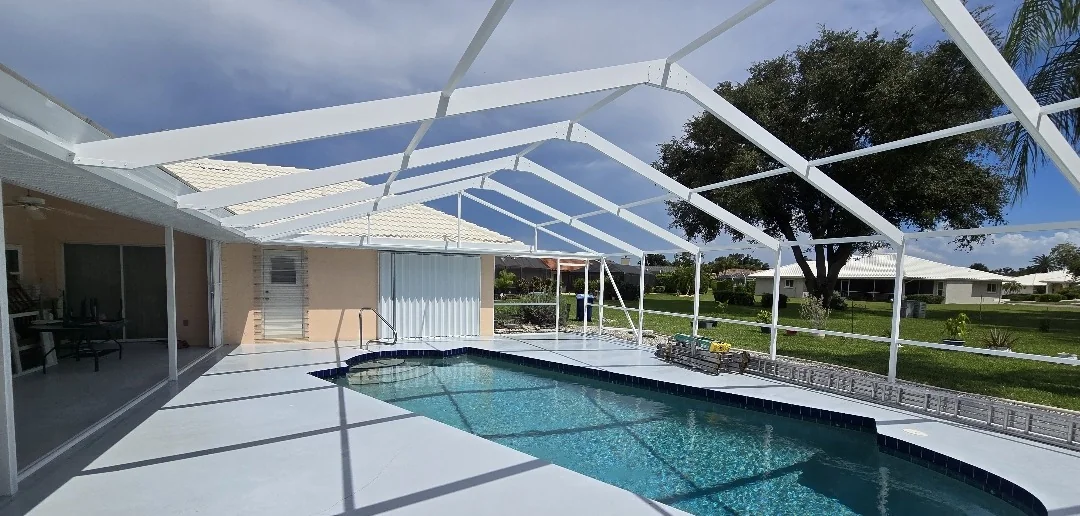
A chalky, streaked frame makes a good cage look forty years old. Painting is the last step of a restoration, not the whole job — wash to bare aluminum, treat the corrosion, replace the failed hardware, then refinish. On a sound frame it costs a fraction of replacement.
Before you paint anything
Painting fixes a cage that is tired. It cannot fix a cage that is failing — and on a bad frame it hides the problem for a season.
Refinishing is the right call when the aluminum is sound and the damage is on the surface: oxidation, chalking, streaks running down from the fasteners, a color that has gone flat. That is the majority of cages we look at, and refinishing costs a fraction of replacement.
It is the wrong call when the corrosion has gone through. Rust bleeding out of an anchor, a screw that spins without biting, a lower rail you can flex by hand — paint over that and you still have a repainted cage with the same failing anchors. We say so at the estimate, even though painting is the easier sale.
One job, three days
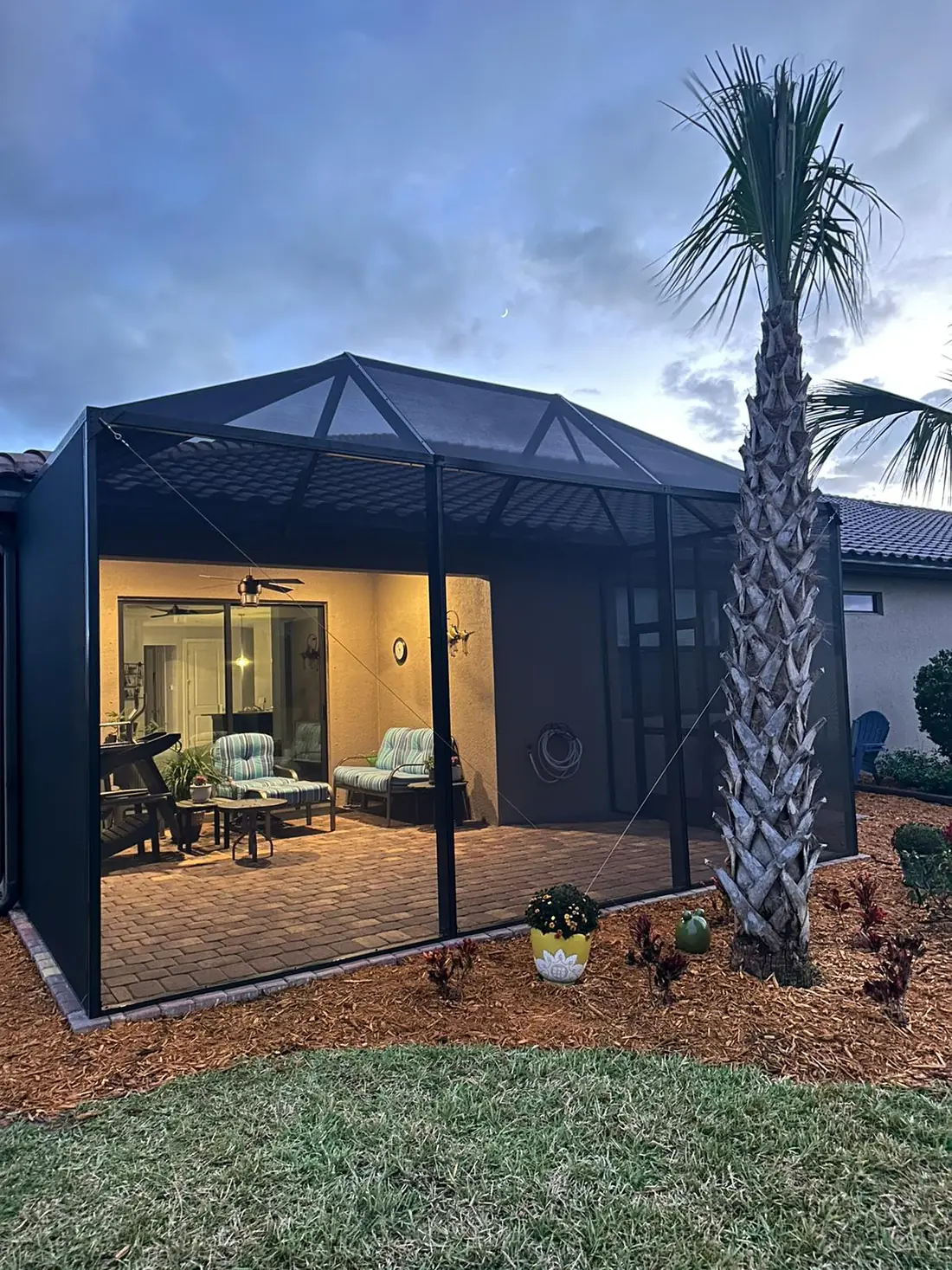
The frame was sound, so it was worth saving. Every screw came out and went back in as 304 stainless, the aluminum was refinished, and the cage was rescreened. Three photographs from one job — nothing staged, nothing retouched.
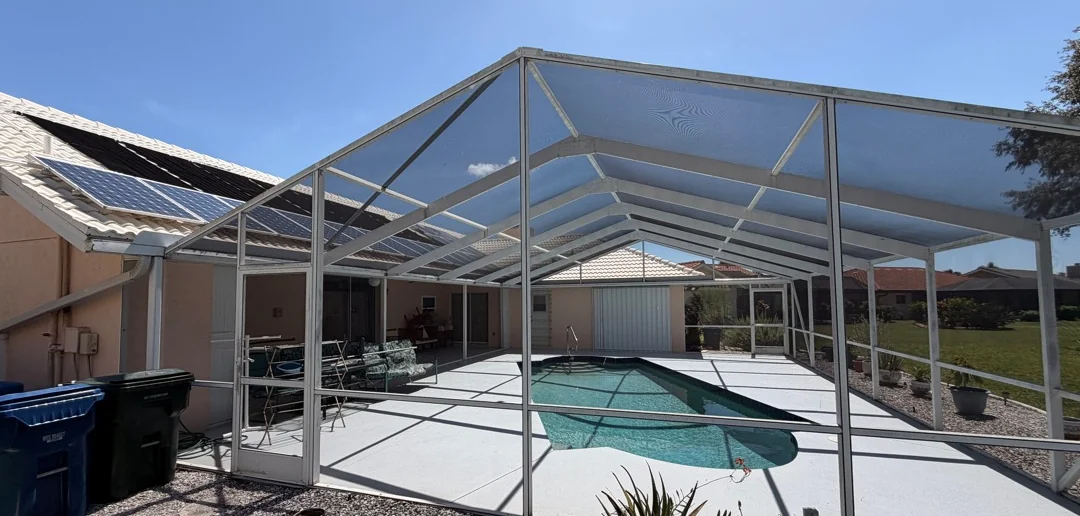
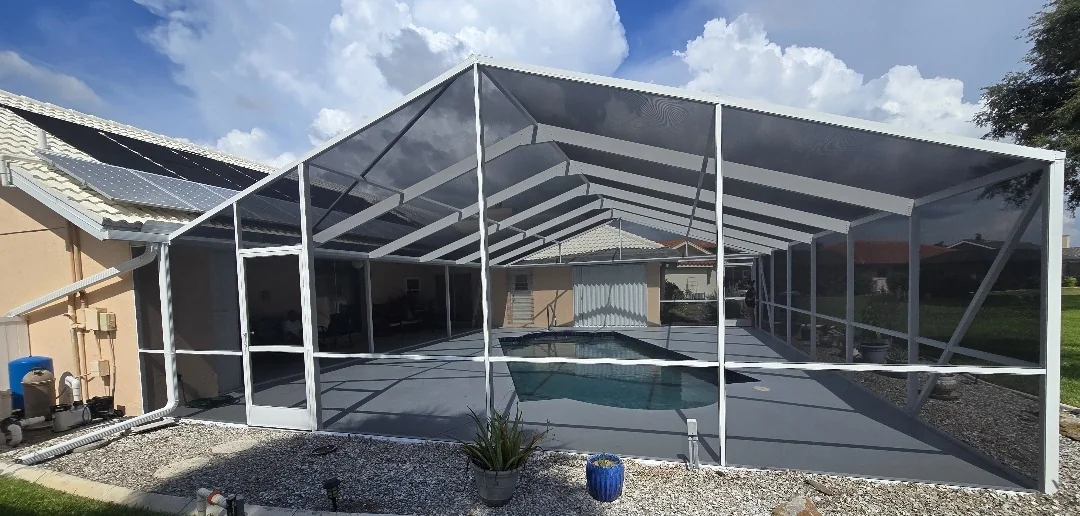
The job
Most of the job is the first two steps. Spraying is the fast part, and it is the part that fails when the preparation was skipped — which is the difference between restoration and a paint job.
Mildew, algae and the film of oxidation come off first. Paint applied over chalk bonds to the chalk, not to the aluminum, and peels in sheets a year later.
Corrosion at fasteners and anchors is treated, and screws that have lost their bite get replaced. This is where a refinish either lasts or does not.
Pool, deck, screen and landscaping get covered. The finish is a coating made for exterior aluminum in a coastal climate, not house paint.
We walk the cage with you, elevation by elevation, before the masking comes off the deck. Anything you flag gets corrected then, not on a return visit.
Most projects finish within 20 business days where a permit is involved. Straight refinishing of a sound frame does not require one.
Color
We finish in two colors. The choice is less about taste than about what is behind the cage.
The straightforward job. A chalky white frame comes back to clean white, disappears against a light house, and shows dirt least of the two.
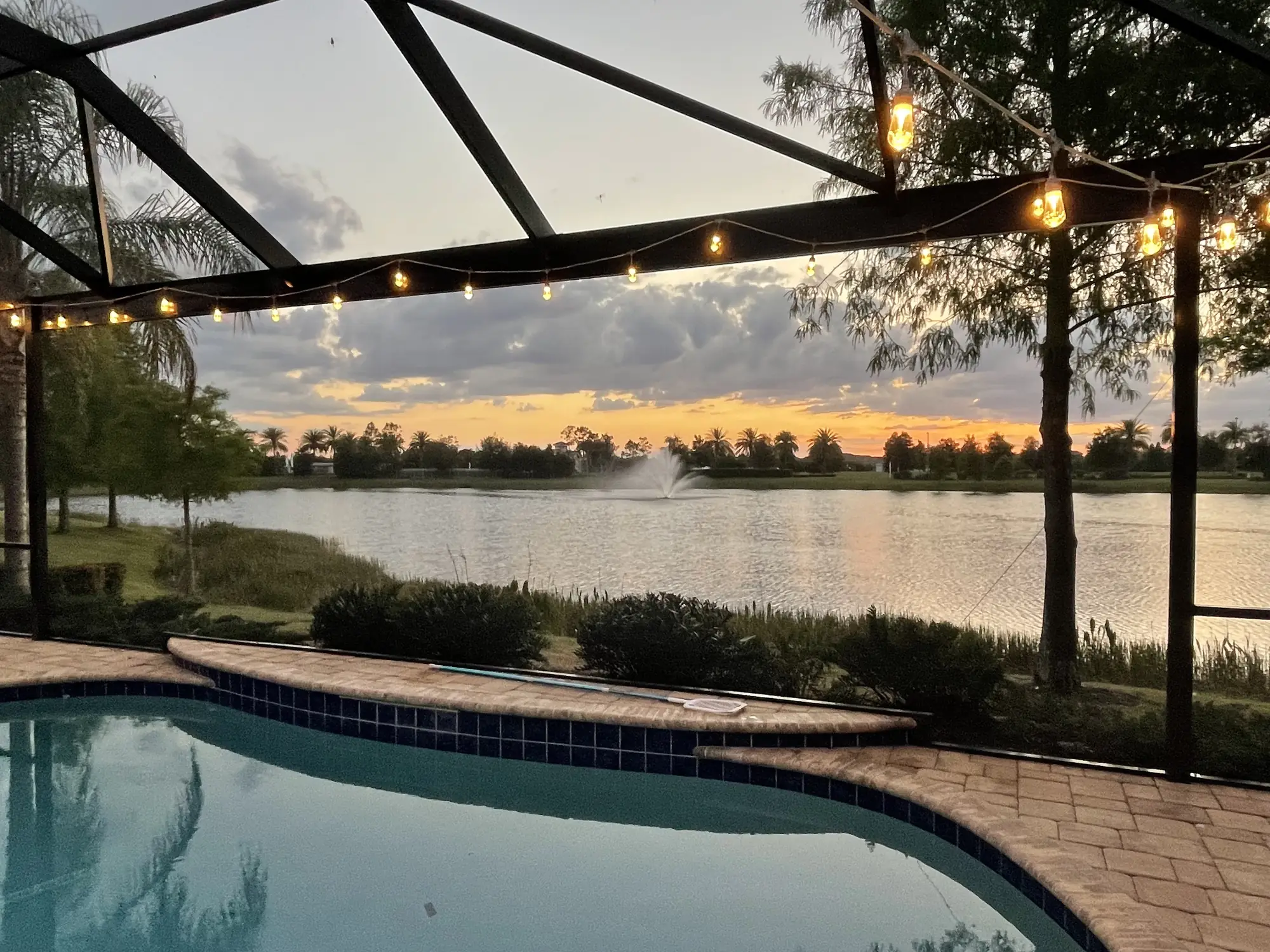
The most requested change here, and it is about the view. A white frame reads as a grid against a lake or a preserve; bronze recedes and the eye goes past it to the water. On lakefront lots it changes the room more than new screen does.
Changing color usually needs architectural review. We prepare and submit the package — getting the color approved before we mobilize saves a wasted trip.
Financing

Prefer to pay over time rather than all at once? Prequalify for financing through Wisetack and spread the cost over monthly payments.
All financing is subject to credit approval.
Questions
Not here? Call (941) 961-0162.
Yes, and it is the most requested change here. If the aluminum is structurally sound the frame is washed, treated at the fasteners and refinished in bronze. On a lot facing a lake or a preserve it changes the space more than new screen does, because a bronze frame recedes and a white one reads as a grid across the view.
Color changes usually need HOA architectural approval, which we submit for you.
It depends almost entirely on preparation. A frame that was washed to bare, degreased and treated at the fasteners holds its finish for years in this climate. Paint sprayed over chalk bonds to the chalk and peels in sheets within a year — which is why the two preparation steps are most of the job.
Our workmanship is covered for three years.
Paint when the damage is on the surface: oxidation, chalking, rust streaks, flat color. Replace when the corrosion has gone through — rust bleeding out of an anchor, a screw that spins without biting, a rail you can flex by hand.
We will tell you which one you are looking at during the estimate, including when the answer is the cheaper one.
No. Screen is not painted — it is replaced. If your mesh is at the end of its life, doing the rescreen at the same time as the refinish is the sensible order: the frame gets cleaned and coated with the old screen out of the way, and the new screen goes into a frame that is already finished.
Every project is quoted individually. The size of the enclosure, the height and access, how much corrosion has to be treated first, and whether you are changing color all move the number — which is why we measure on site rather than quoting over the phone.
Projects up to $65,000 can be financed through Wisetack, subject to credit approval.
Restoration and painting are the same job here, and it is more than spraying color. It is pressure washing to bare aluminum, treating corrosion at the fasteners and anchors, replacing screws that have lost their bite, and only then refinishing — in white or bronze.
Where the screen is also at the end of its life, doing the rescreen in the same mobilisation is the sensible order and costs less than two separate trips.
Quoted individually. The two things that move it most are the size of the enclosure and how much corrosion has to be treated before anything is sprayed — a coastal cage with rusted anchors is a different job from an inland cage that is only chalky.
Restoration is a fraction of replacement when the aluminum is sound, which is why the estimate visit starts by checking whether it is.
Projects up to $65,000 can be financed through Wisetack, subject to credit approval.
No. Refinishing an existing, structurally sound enclosure is not permitted work. A permit is required when the frame itself is replaced or altered, and we pull that under our own license, CRC1334065.
Related
The sensible companion job — frame coated with the old screen out of the way.
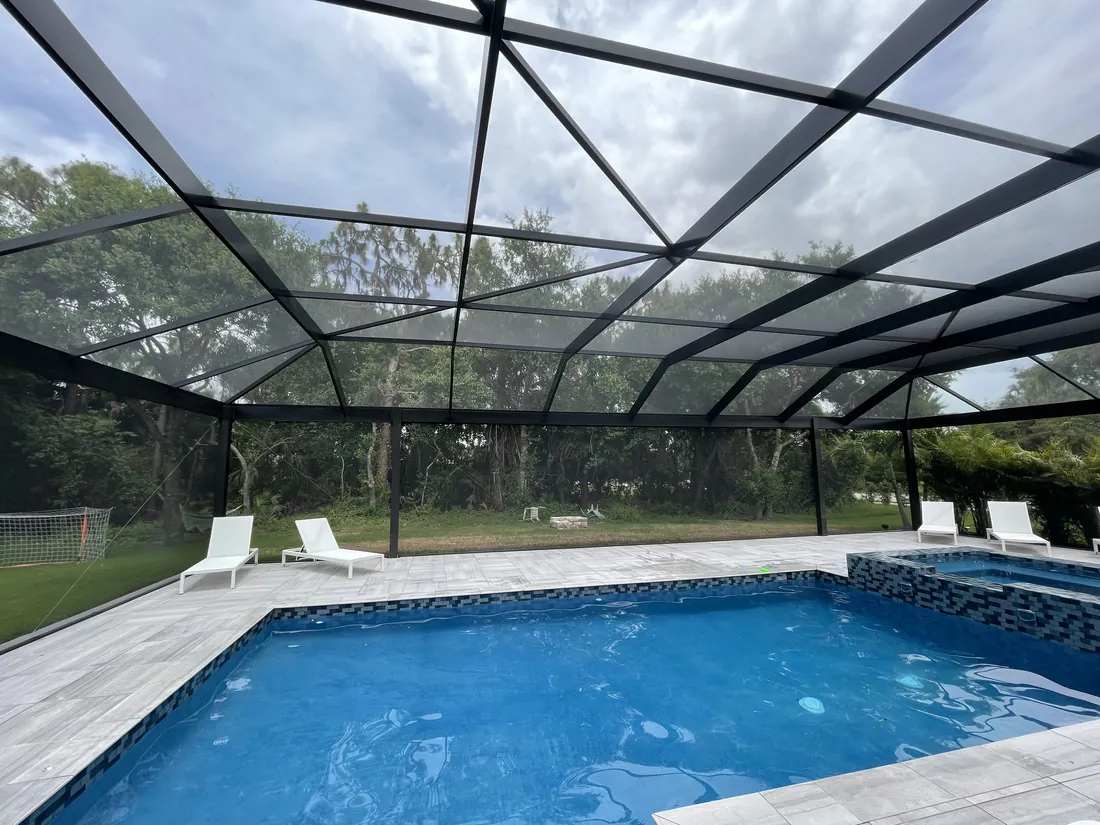
When the corrosion has gone through the anchors, paint only hides it for a season.
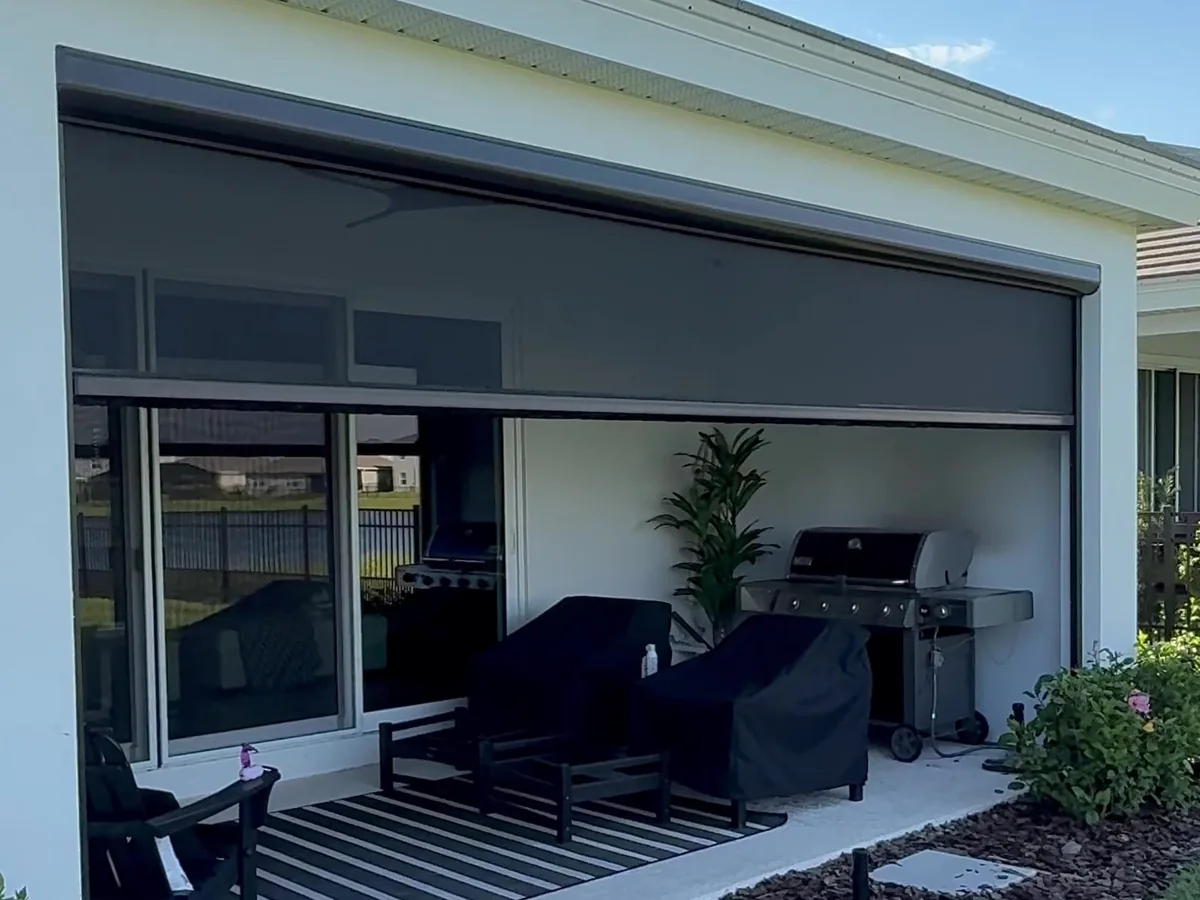
Worth pricing while the crew is already on site.
Get started
Tell us what you need and where the property is. We will call you back to schedule a measurement. Prefer to talk now? Call (941) 961-0162.
Our request form did not load in your browser. Open it in a new tab, or just call — either way we will get you on the schedule for a measurement.
Open the request form Call (941) 961-0162Trouble with the form? Call (941) 961-0162 or email sales@2hrescreening.com. We use your details only to prepare your estimate and never sell your information.